Your website is often the first impression a customer has of your business. Before someone calls you, visits your shop, or fills out a quote request, they’ve probably looked you up online. In a few seconds, your site tells them whether you look trustworthy, professional, and worth their time.
At WP Wizards, I believe a great website has to do more than look good. It should communicate your brand identity, connect with the people you want to reach, and support your business goals every day, even while you sleep.
As a Marine Veteran owned web development and digital marketing agency, my team and I build professional websites that combine creative design, technical performance, and search engine optimization. Whether you need a brand new website or want to fix one that isn’t pulling its weight, I want to help you build a digital presence that supports long term business growth.
In this guide, I’ll walk you through exactly what professional website design services include, what drives the cost, how to choose the right partner, and a few branding basics every business owner should understand before launching a new site.
What Are Professional Website Design Services?
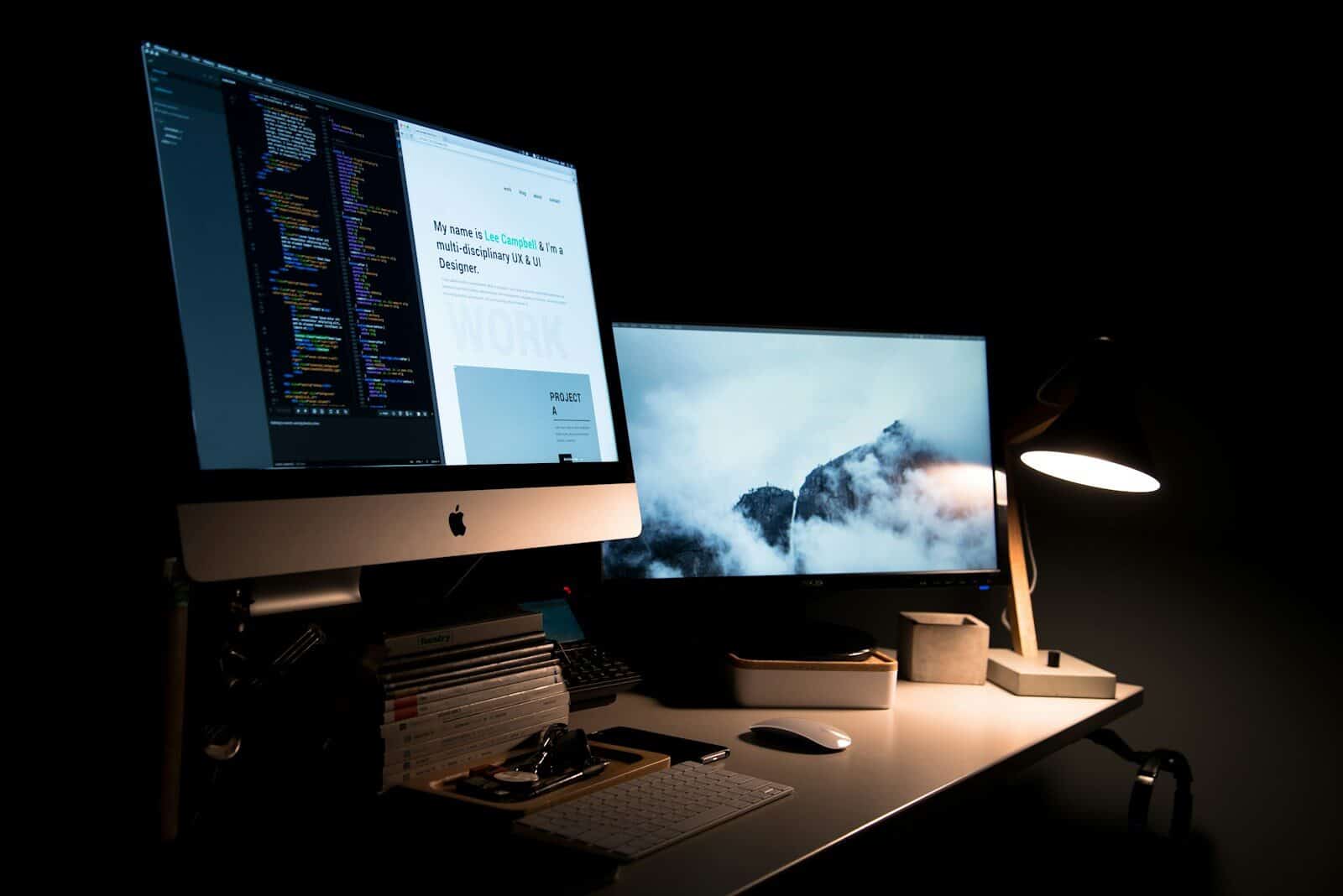
Photo by Lee Campbell on Unsplash
Professional website design services cover the full process of planning, designing, building, testing, and launching a website. They aren’t just about picking colors and dropping in a logo. A professional team looks at your business from every angle and builds a site that turns visitors into customers.
The web design process typically includes seven stages, and a typical custom web design project runs anywhere from 3 to 6 months depending on the scope. One thing many business owners don’t realize is that client-side involvement often accounts for 35 to 40 percent of the project timeline. Your input on content, feedback, and approvals plays a real role in keeping things on track.
Here’s what a complete project usually includes:
- Discovery and planning: Every effective agency starts with a discovery phase to understand your business, your customers, your competitors, and your goals.
- Site architecture: Mapping out pages, navigation, and how visitors will move through your site.
- Visual design: Creating the look and feel, including layouts, typography, colors, and imagery.
- Development: Turning the design into a working website with clean code and the features you need.
- Content and SEO: Organizing your copy and setting up the technical foundation search engines look for.
- Testing and launch: Checking every page, form, and device before your site goes live.
- Ongoing support: Keeping your site secure, updated, and performing after launch.
When these pieces work together, you get compelling websites that attract site visitors, keep them engaged, and guide them toward taking action.
Web Design vs. Web Development: What Web Designers and Web Developers Do
People often use “web design” and “web development” as if they mean the same thing. They’re closely connected, but they’re two different skill sets.
Web designers focus on what your visitors see and feel. They handle the visual design, user experience, layout, and overall flow. Their job is to make your site attractive, easy to use, and aligned with your brand.
Web developers focus on how your site works. They write the code, build the functionality, connect integrations, and make sure everything runs fast and securely. They’re the reason your contact form actually sends, your booking tool syncs with your calendar, and your online store processes payments.
You need both. A beautiful site that loads slowly or breaks on mobile will lose customers. A technically solid site that looks outdated won’t earn their trust. That’s why I always recommend working with a web design company that handles design and development under one roof.
Why Branding and Business Strategy Matter
The best web design company for you is one that understands your business, not just your website. Your site should reflect who you are, speak to your ideal customers, and support specific goals like generating leads, booking appointments, or selling products.
When I take on a project, I don’t start with templates. I start with questions. What makes you different? Who are you trying to reach? What do you want visitors to do? Those answers shape every design and development decision that follows.
What’s Included in Our Website Design Services?
Every business is different, so every project I take on is built around your specific needs. Still, there are core elements that go into nearly every professional website. Here’s a look at what our website design services include.
1. Brand Identity and Visual Design
Your website is one of the most visible expressions of your brand. It should feel like you, from the first glance to the final click.
I work with you to bring your brand identity, visual identity, brand vision, and brand positioning to life online. If you already have established branding, we’ll build your site around it. If your branding needs a refresh, or you’re starting from scratch, we can help shape it.
This part of the process includes:
- Graphic design: Logos, icons, graphics, and visual elements that support your message.
- Typography: Fonts that are easy to read and match your brand’s personality.
- Color palettes: Colors that reflect your brand and guide visitors’ attention to what matters most.
- Imagery: Photos and visuals that feel authentic and relevant to your audience.
- Consistent messaging: A clear, recognizable voice across every page.
Custom web design is built specifically for your business needs. Unlike off-the-shelf templates, it allows for unique branding and user experiences that actually reflect how you operate and who you serve. Custom design helps you stand out from competitors who all use the same stock layouts, and it builds trust. When your site looks polished and consistent, visitors are more likely to believe you’ll deliver the same quality in your products or services.
I also make sure your website feels cohesive with your other marketing materials, including social media, email campaigns, business cards, and ads. When everything matches, your brand becomes easier to recognize and remember.
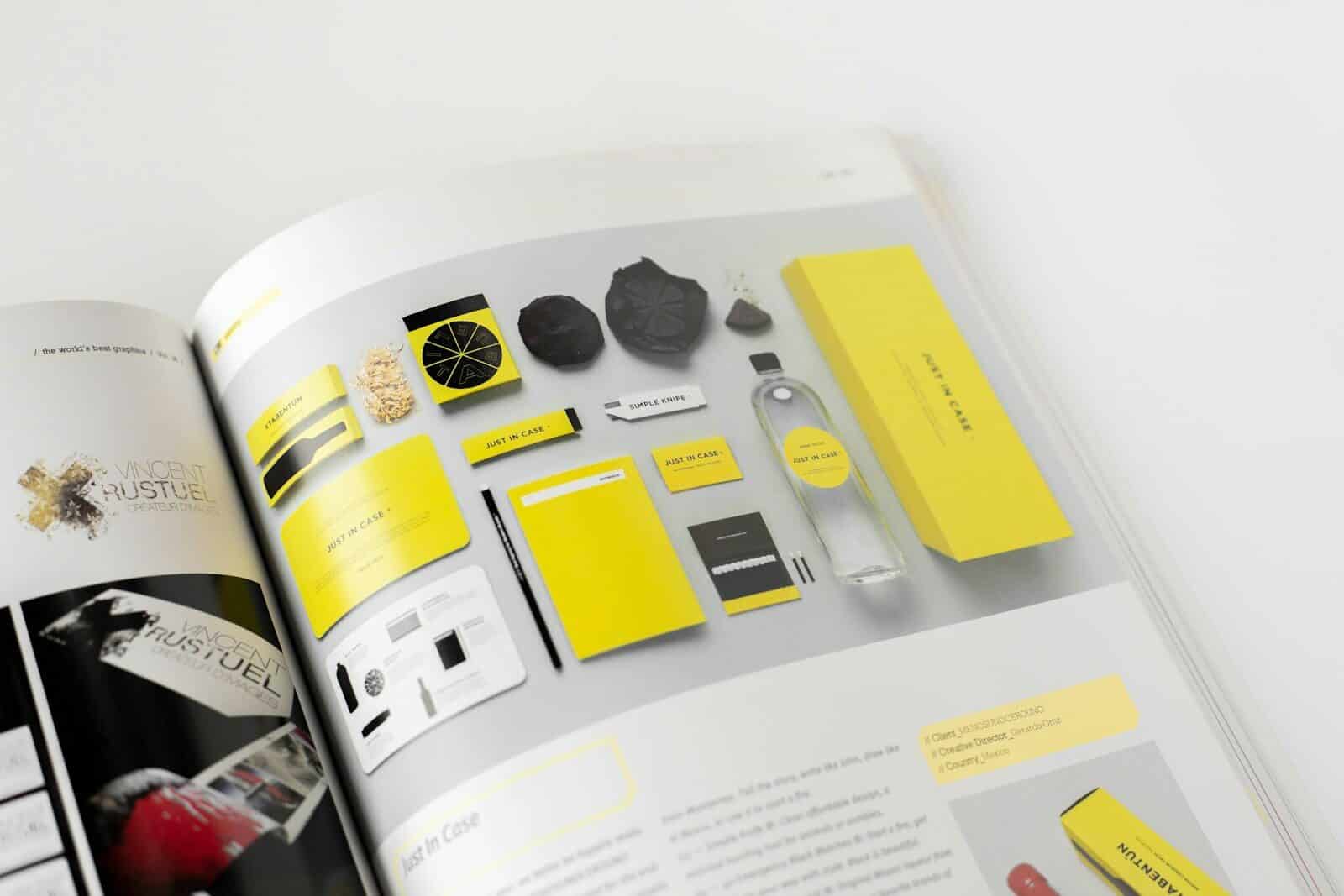
Photo by Brands&People on Unsplash
2. Custom Web Design and Responsive Websites
Generic templates can work for some businesses, but they often force you to fit your business into someone else’s layout. Our custom web design services flip that around. We design your site to fit your goals, your customers, and the way you actually do business.
Here’s something worth knowing: businesses that redesign their websites with improved user paths have seen organic traffic increase by as much as 87 percent. That’s not a coincidence. Custom design, when done with intention, creates a better experience for visitors and a stronger signal for search engines.
Responsive web design is a cornerstone of everything we build. Right now, more than half of all web traffic comes from mobile devices. Your customers are visiting your site on phones, tablets, laptops, and desktop monitors. A responsive website automatically adapts its content to fit any screen size, so it looks great and works smoothly everywhere. Buttons stay easy to tap, text stays easy to read, and images don’t get cut off or distorted.
Search engines also prioritize responsive design in their rankings. Mobile-first design isn’t optional anymore; it’s essential for modern web development. If your site doesn’t perform well on a phone, you’re likely losing both visitors and rankings.
Good custom design also focuses on user experience:
- Clean layouts that don’t overwhelm visitors with clutter.
- Intuitive navigation so people can find what they need in a click or two.
- Accessible design that helps more people use your site, including visitors with disabilities.
- Clear calls to action that guide visitors toward calling, booking, or buying.
Websites designed with strong user experience principles see measurably higher engagement. User-friendly layouts increase conversion rates significantly, and fast loading times can reduce abandonment rates by up to 70 percent. Page speed matters more than most business owners realize. Google actively factors load time into rankings, and visitors expect pages to load in under 2 to 3 seconds. Anything slower and you start losing them.
Custom websites also give you room to grow. As your business adds new services, locations, or features, a custom-built site can adapt alongside you without requiring a complete rebuild. That scalability is one of the most valuable long-term benefits of investing in custom design from the start.
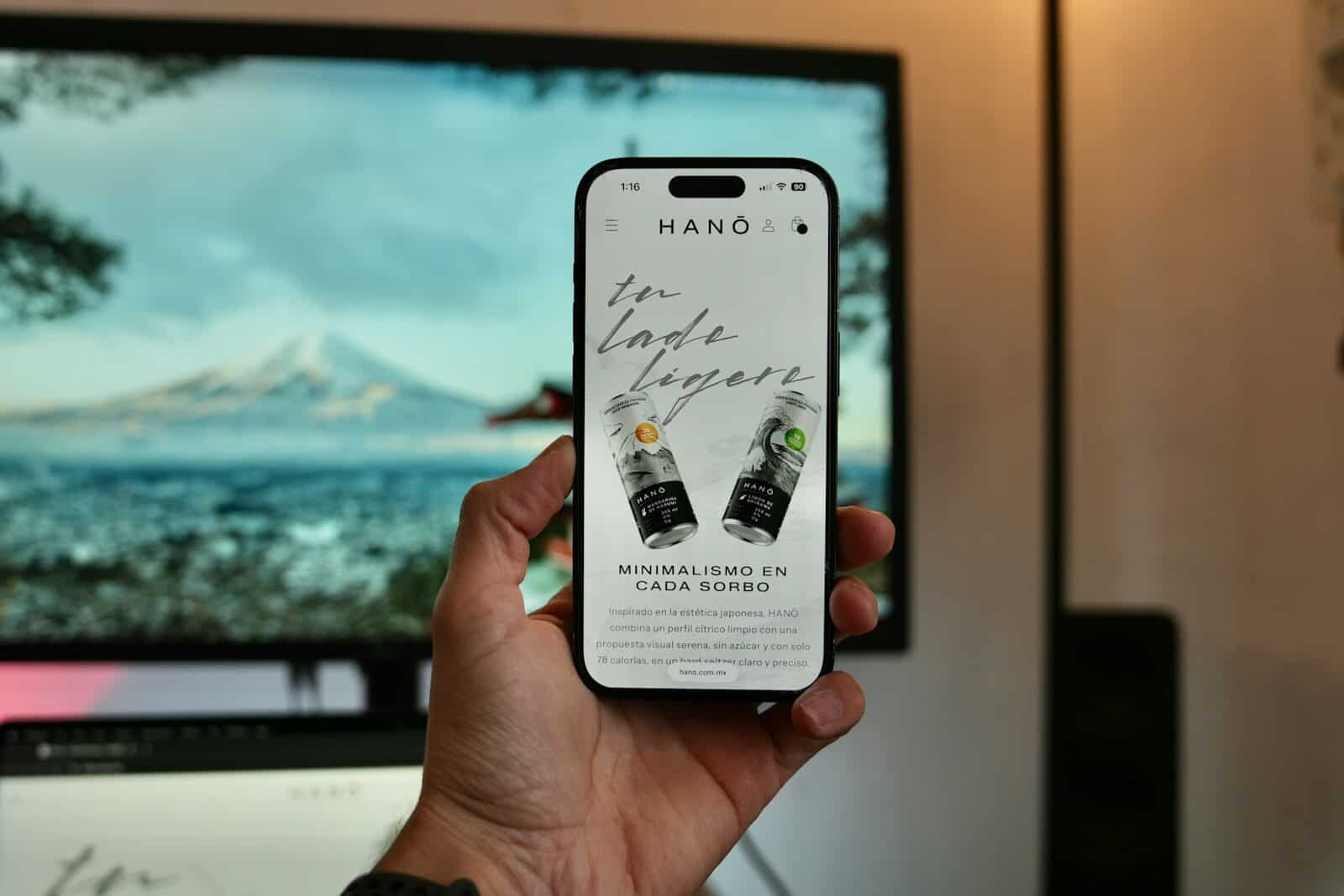
Photo by David Liceaga on Unsplash
3. Website Development and Custom Functionality
Once the design is approved, our web development work begins. This is where your design concepts become a fully functional website.
As a WordPress-focused web development company, I build sites on one of the most flexible and widely used content management systems available. One of the biggest advantages of a CMS like WordPress is that it allows non-developers to update website content easily. You can add a blog post, swap out a photo, or update a service description without touching a single line of code. At the same time, it gives my team the power to build almost anything you need behind the scenes.
Here’s what goes into solid development:
- Clean code: Well-organized code optimized for search engines that loads quickly, reduces bugs, and makes future updates easier.
- Site architecture: A logical structure that helps visitors and search engines understand your content.
- Site structure: Organized pages, categories, and menus that make sense to your customers.
- Content management: An easy-to-use WordPress dashboard so you stay in control.
We also build custom functionality based on what your business needs. That might include:
- Contact and quote request forms
- Online booking and scheduling tools
- CRM and email marketing integrations
- Customer portals or member areas
- Event calendars
- Interactive websites with filters, calculators, or search tools
Most importantly, I build websites that can grow with you. Adding new services, new locations, or new features down the road shouldn’t mean starting over from scratch. Scalable development saves you time and money as your business evolves.
4. E-Commerce Solutions and Online Stores
If you sell products online, your website is your storefront, your sales team, and your checkout counter all in one. E-commerce websites facilitate online sales for businesses of all sizes, and the right setup can make a real difference in how many visitors actually become buyers. Our e-commerce solutions help businesses launch new online stores or improve stores that aren’t performing the way they should.
I specialize in WooCommerce development, which runs on WordPress and gives you powerful control over your store. Our e-commerce work typically includes:
- Product pages with clear descriptions, quality images, and variations like size or color.
- Shopping carts that are simple to review and update.
- Checkout experiences that remove unnecessary steps and distractions.
- Payment integrations with trusted payment processors.
- Shipping and tax setup based on your business model.
- Inventory management tools that help you keep track of stock.
Small details make a big difference in online sales. Intuitive navigation helps shoppers find products faster. A streamlined checkout reduces the friction that causes people to abandon their carts. Trust signals, like clear return policies and secure checkout badges, give shoppers confidence to complete their purchase.
Whether you’re launching your first product or managing a growing catalog, I build custom websites that support e-commerce businesses as they scale.
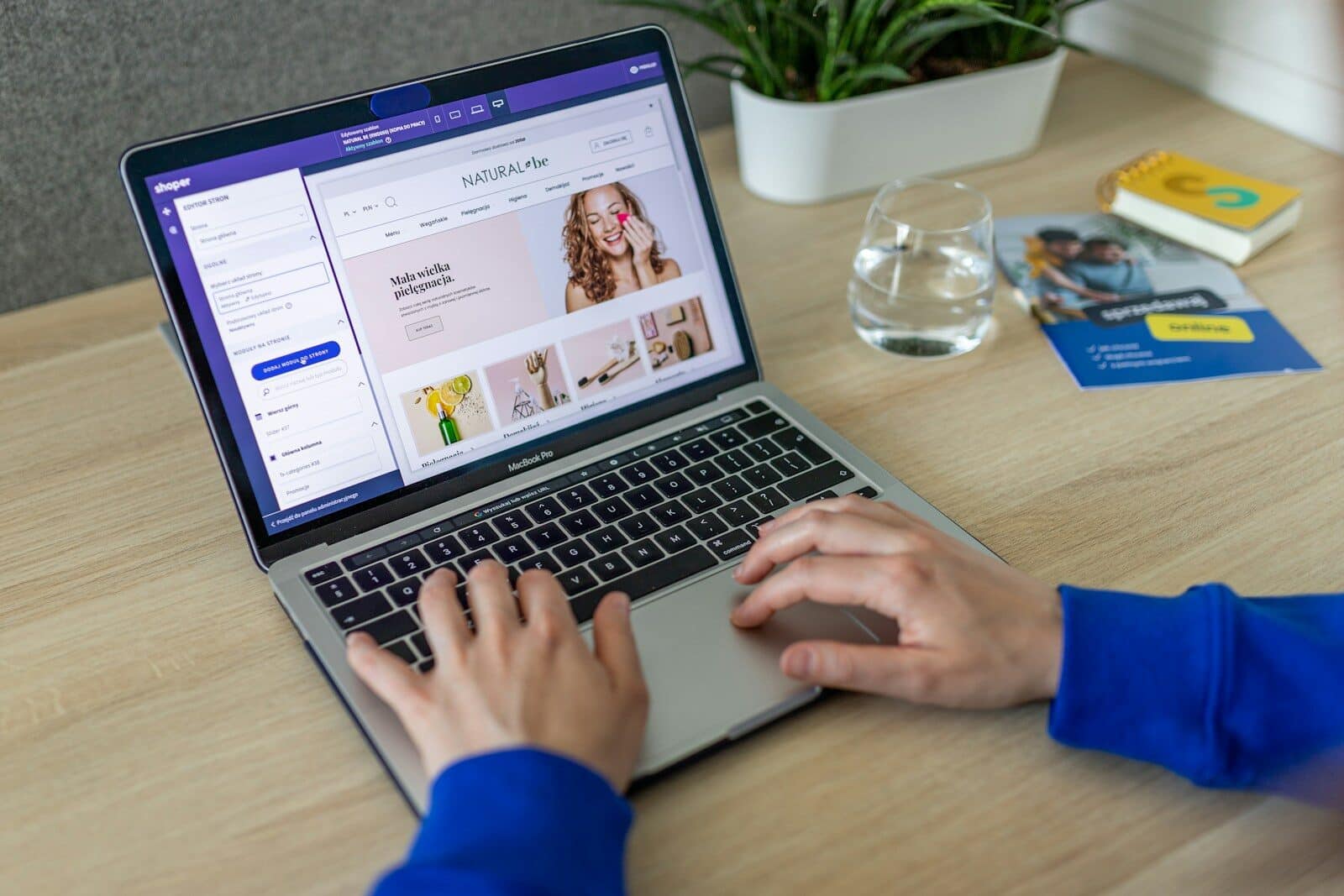
5. Types of Websites We Build
Not every website has the same purpose, and the design and development approach should reflect that. Here’s a quick overview of the types of sites I work on most:
- E-commerce websites: Built to facilitate online sales with product pages, shopping carts, secure checkout, and payment integrations.
- Corporate websites: Designed to communicate brand value, establish credibility, and capture leads from prospective clients or partners.
- Landing pages: Focused on a single goal, whether that’s a promotion, a campaign, or a specific service. Landing pages are designed specifically for lead generation and conversions, with minimal distractions and strong calls to action.
- Membership sites: Built to provide gated content and user authentication, so the right people get access to the right resources.
- SaaS websites: Crafted to showcase software products clearly and drive trial signups, often with feature overviews, pricing pages, and demo requests.
Whatever type of site fits your business, I build it to perform.
6. Search Engine Optimization and Search Rankings
A beautiful website doesn’t help much if no one can find it. That’s why I build search engine optimization into every website design project from the very beginning, not as an afterthought.
SEO techniques improve website visibility and search rankings over time. When SEO is part of the plan from day one, your site launches with a strong foundation instead of playing catch-up later. A critical piece of that foundation is in-depth keyword research that identifies the exact terms your target audience is searching for, so your content speaks directly to what they need.
Our approach follows proven SEO best practices, including:
- Page titles and meta descriptions written to attract clicks from search engine results pages.
- Heading tags and structured content that help search engines understand and categorize your pages.
- Image optimization to keep pages loading quickly and help images appear in search results.
- Internal linking that guides visitors and search engines to your most important pages.
- Site speed improvements that create a better experience for visitors and support Google rankings.
- Mobile-friendly design that serves the more than 50 percent of visitors arriving from mobile devices.
- Technical SEO like clean URLs, XML sitemaps, and proper indexing settings.
Page speed is one area I take especially seriously. Google uses loading time as a ranking signal, and slow sites push visitors away fast. I aim for load times under 2 to 3 seconds on every site I build.
For local businesses, I also focus on local SEO. If you’re a contractor, attorney, therapist, or consultant, your customers are searching for services “near me.” I help make sure your business shows up when they do.
Our digital marketing strategies are all about connecting you with customers who are already searching for what you offer. Your customers are out there. Let’s make sure they find you.
7. Content Marketing and Website Copy
Design gets attention, but words make the sale. Clear, persuasive copy helps visitors understand what you do, why it matters, and what to do next.
I help you organize your website content around your brand vision, your services, and the people you want to reach. That includes:
- Homepage copy that quickly explains who you are and how you help.
- Service pages that describe what you offer and answer common questions.
- Landing pages built for specific campaigns, promotions, or audiences, focused on lead generation and driving action.
- About pages that tell your story and build personal connection.
- Blog content that supports your SEO and positions you as an expert.
Content marketing is one of the best long-term investments you can make in your website. Helpful blog posts and resources give search engines more reasons to rank your site, and they give potential customers more reasons to trust you.
Strong calls to action are just as important. Every page should guide visitors toward a next step, whether that’s scheduling a consultation, calling your office, or making a purchase. Clear messaging and well-placed calls to action support steady lead generation.
Through it all, I keep the experience simple. Visitors shouldn’t have to dig through walls of text to understand what you offer.
8. Quality Assurance and Website Launch
Before any website goes live, our design team and web developers put it through careful testing. Quality assurance is essential before launch, and it’s where we catch the small issues that could frustrate visitors or cost you business.
Effective agencies don’t just hand off a finished design. They follow a structured process all the way through to launch. Our pre-launch checklist covers:
- Responsive design on phones, tablets, laptops, and desktops.
- Browser compatibility across popular browsers.
- Broken links and missing pages.
- Forms to confirm submissions arrive where they should.
- Navigation to make sure menus and buttons work as expected.
- Functionality for booking tools, checkouts, and integrations.
- Performance testing to verify load times fall under that 2 to 3 second benchmark.
- Security measures including SSL certificates and compliance with data privacy standards.
- Usability to make sure the site feels natural and easy to use.
Marine Corps training taught me the value of preparation and attention to detail. I bring that same discipline to every launch. My goal is simple: when your new website goes live, it’s ready for customers from the very first visit.
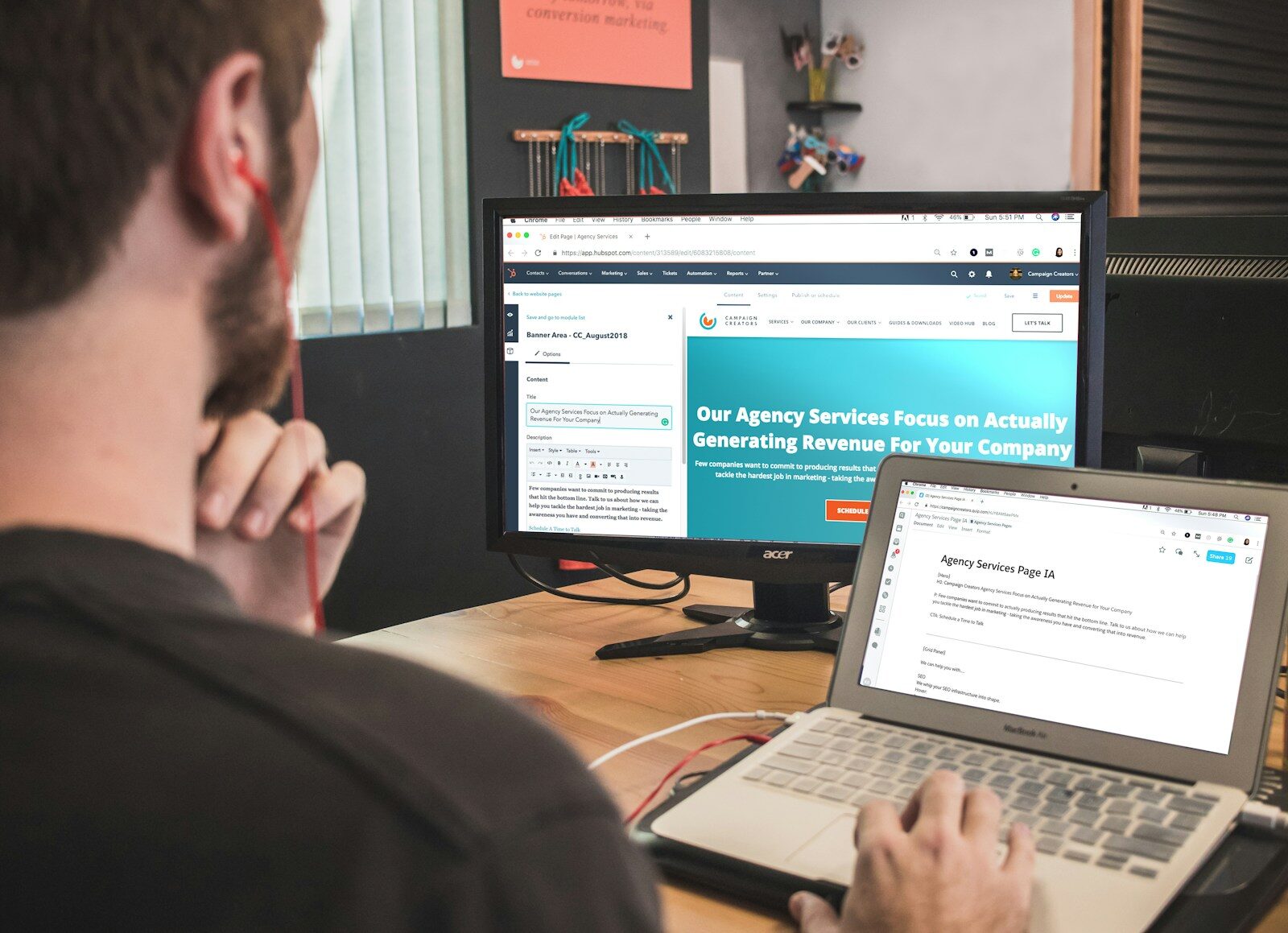
Photo by Campaign Creators on Unsplash
9. Ongoing Support and Website Maintenance
Launch day isn’t the finish line. Like a vehicle, a website needs regular care to keep running smoothly. Post-launch support includes ongoing maintenance and security updates, and skipping that care can leave your site vulnerable and underperforming.
WordPress, themes, and plugins release updates regularly to fix bugs, improve features, and patch security holes. Security measures must include SSL certificates and compliance with data privacy standards, not just at launch but on an ongoing basis.
Our ongoing support services can include:
- WordPress core, theme, and plugin updates
- Regular backups so your site can be restored if something goes wrong
- Security monitoring to help protect against threats
- Troubleshooting when something isn’t working right
- Performance monitoring to keep your site fast
- Content updates when you need changes but don’t have time to make them yourself
I know every business has different needs, so I offer flexible support options. Some clients just need a quick fix now and then. Others prefer a monthly retainer for peace of mind. Either way, you’ll work with a team that knows your site and responds when you need help.
This is where personalized service really matters. I’m not interested in building your site and disappearing. I want to be the partner you call when you’re ready for the next step.
How Much Do Professional Website Design Services Cost?
This is one of the first questions business owners ask me, and it’s a fair one. The honest answer is that it depends on the scope and complexity of your web design project.
Transparent pricing is critical for understanding the total costs of web design services. You should always know what you’re getting, what it includes, and why it costs what it costs. A simple informational site for a local service provider is a very different project than a custom online store with hundreds of products and multiple integrations. Here are the main factors that affect pricing:
- Number of web pages: More pages mean more design, development, and content work.
- Custom design requirements: Fully custom designs take more time than lightly customized layouts.
- Advanced functionality and integrations: Booking systems, member portals, CRM connections, and custom tools add development time.
- E-commerce solutions and online stores: Product setup, payment processing, and shipping rules increase complexity.
- Content creation and SEO requirements: Professional copywriting and in-depth keyword research and SEO work add value and effort.
- Ongoing support and maintenance: Monthly care plans are typically priced separately from the initial build.
- Project timeline: A standard custom website project runs 3 to 6 months, and faster turnarounds may affect cost.
I’m a big believer in transparent pricing. You deserve to know exactly what you’re paying for and why. No hidden fees, no confusing proposals, and no surprise invoices.
I also know that small businesses have real budgets. My goal is to find a solution that fits your budget and still gets you the results you need. Sometimes that means launching with the essentials and adding features later as your business grows.
Rather than relying on one-size-fits-all pricing you find online, I recommend requesting a customized quote. That way, you get a clear picture of what your specific project will take.
How to Choose a Good Web Design Company

Photo by Lyubomyr Reverchuk on Unsplash
Choosing the right web design company can make a huge difference in your website’s performance and long-term value. Here’s what I recommend looking for.
Review Their Proven Track Record
Look at past website projects, portfolios, and client testimonials. Evaluating an agency’s portfolio helps you make sure their style and approach align with your brand’s identity. Do their sites look professional? Do they work well on mobile? Have they worked with businesses similar to yours? A proven track record tells you far more than a sales pitch.
Evaluate Their Design Process
Ask how their design team handles discovery, planning, development, and launch. Effective agencies should be able to walk you through a structured design and launch process, including how they handle the discovery phase to understand your needs before any design work begins. A clear process means fewer surprises, better communication, and a smoother experience. If an agency can’t explain how they work, that’s a red flag.
Look Beyond Visual Design
A pretty site isn’t enough. Ask about SEO, mobile responsiveness, accessibility, security, and technical expertise. The best agencies combine creative design with strong development skills and understand how all of those pieces support each other.
Ask About Ongoing Support
Find out what happens after launch. Post-launch support should include ongoing maintenance, security updates, and access to help when you need it. Understand what additional development services are available if you need new features later. You want a partner who’ll be there when you need them.
Compare Pricing and Communication
Look for clear proposals, honest timelines, and transparent reporting. Transparent pricing is essential so you fully understand the total costs of your project before you commit. If an agency is vague about costs or slow to respond during the sales process, it probably won’t get better once you’ve signed.
Choose a Partner Who Understands Your Goals
The right agency should build around your business needs, not push services you don’t need. I’d rather recommend a smaller, smarter solution that works than upsell you on features that don’t move the needle.
That’s exactly how I run WP Wizards. As a veteran-owned web design agency, I offer custom web design, technical expertise, digital marketing, and personalized support without the big-agency red tape. You’ll get straight answers, real accountability, and a team that genuinely cares about your success.
Branding Basics Every Business Owner Should Understand
Your website is a key piece of your brand, but it’s not the whole picture. Before you invest in a new website, it helps to understand a few branding fundamentals. Here are answers to some of the questions I hear most often.
What Is the 3-7-27 Rule of Branding?
The 3-7-27 rule is a branding concept sometimes used to describe how people form impressions of a brand over time. A common version goes like this:
- 3 seconds to make a first impression
- 7 interactions before someone starts to remember your brand
- 27 exposures before someone fully recognizes or trusts it enough to act
You’ll find different variations of this rule depending on who’s explaining it. It’s best treated as a helpful way to think about branding, not a proven scientific formula.
The takeaway is still valuable. People rarely buy from a brand the first time they see it. Trust builds through repeated, consistent experiences. That’s why a consistent brand identity, recognizable visual design, and clear messaging matter so much across your website, social media, email, and ads.
I help businesses create cohesive digital experiences that reinforce their brand at every touchpoint. When your website, ads, and emails all look and sound like the same company, each interaction builds on the last.
What Are the 5 C’s of Branding?
The 5 C’s of branding is another popular framework, and like the 3-7-27 rule, the exact terms vary depending on the source. Here’s one practical interpretation I find especially useful for small businesses:
- Clarity: Make it easy for customers to understand what you offer. If visitors can’t tell what you do within a few seconds, they’ll likely move on.
- Consistency: Maintain a recognizable brand experience. Use the same colors, fonts, tone, and messaging everywhere.
- Credibility: Build trust through professionalism and proof. Testimonials, case studies, certifications, and a polished website all help.
- Connection: Speak to your customers’ needs. Focus on their problems and how you solve them, not just on your features.
- Competition: Identify what makes your business different. Your unique strengths should be front and center.
I apply these principles throughout our website design, messaging, and digital marketing strategies. A clear homepage, consistent design, strong social proof, customer-focused copy, and well-defined differentiators all work together to make your brand stronger.
How to Legally Create a Brand
Building a brand isn’t just creative work. There’s a legal side too, and it’s smart to address it early, before you spend money on logos, signage, and a website.
Here are some steps to consider:
- Research your name. Before committing to a business or brand name, search to see if anyone else is already using it, especially in your industry or region.
- Check trademark databases. In the U.S., you can search the USPTO’s trademark database to see if a similar name or logo is already registered or pending.
- Check domain availability. Make sure you can get a domain name that matches your brand, along with consistent social media handles.
- Understand what registration covers. Registering a business name or securing a domain does not automatically establish trademark rights. Those are separate processes.
- License your creative assets. Logo artwork, fonts, photography, and other materials should be properly licensed or owned outright. Using unlicensed assets can create legal exposure down the road.
- Consult a trademark attorney. For anything involving trademark registration or brand protection strategy, I recommend speaking with a qualified attorney who specializes in intellectual property.
On the digital side, that’s where I come in. I help businesses establish their online presence through professional website design, visual identity development, and a cohesive brand experience that holds up across every channel.
How Do I Create a Brand for Myself?
Whether you’re a consultant, freelancer, entrepreneur, or professional service provider, your personal brand is one of your most valuable assets. Here’s how to build it:
- Define your brand vision. Identify your values, strengths, and expertise. What do you want to be known for? What sets you apart from others in your field?
- Understand your target audience. Who do you want to reach? What problems do they have, and how do you solve them better than anyone else?
- Establish your brand identity. Develop your messaging, brand personality, visual identity, and positioning. Keep it consistent across everything you publish or present.
- Build your digital presence. Create a professional website that showcases your experience, services, portfolio, or personal story. More than half of web traffic comes from mobile devices, so make sure your site is responsive and fast.
- Develop consistent content. Use content marketing, SEO, and social media to build visibility. In-depth keyword research can help you identify the topics your audience is already searching for.
- Measure and refine. Track engagement, leads, and feedback. Use that data to improve your approach over time.
At WP Wizards, I help entrepreneurs, consultants, freelancers, and professionals turn their personal brand into a polished digital presence that attracts the right clients and builds long-term credibility.
Why Partner With WP Wizards for Your Website Design Project?
There are a lot of web design agencies out there. Here’s why I believe WP Wizards is a different kind of partner:
- Veteran owned integrity: Marine Corps values guide everything we do — precision, reliability, and accountability on every project.
- Tailored solutions: I build around your business goals, your budget, and your target audience. No cookie-cutter packages.
- WordPress and WooCommerce expertise: I create custom websites designed for functionality, flexibility, and growth.
- Design meets performance: I combine visual design, user experience, mobile-first development, and SEO-conscious code.
- One-stop digital partner: Website design, web development, SEO, PPC, email marketing, and ongoing support — all in one place.
- Transparent communication: Clear expectations, honest recommendations, and straightforward reporting. You always know where things stand.
- Long-term partnership: I’m here to support your website and digital marketing as your business evolves — not just at launch.
Invest in a Website That Works for Your Business
Your website should be more than an online brochure. It should be a valuable business asset that strengthens your brand identity, improves your digital presence, and helps generate leads.
When you work with a team that understands the full picture from discovery and custom design to responsive development, SEO, quality assurance, and post-launch support you get a site that’s built to perform from day one. And when you invest in a site built with mobile-first design, fast load times, and clean code optimized for search engines, you’re setting your business up for long-term visibility and growth.
At WP Wizards, I combine professional website design, web development, and digital marketing to help businesses compete confidently online. Whether you’re launching a new site or upgrading an existing one, I’m ready to help you build something that supports your goals.
Ready for a Website That Works as Hard as You Do? Schedule Your Free Consultation Today and Let’s Build Your Digital Success Story.