Hiring an SEO agency is a bigger decision than most business owners expect. The right partner can put you in front of people who are already searching for what you sell. The wrong one can drain your budget for months, hand you a stack of confusing reports, and leave your site in worse shape than they found it.
I’ve seen both sides. Before I founded WP Wizards (formerly Priceless Consulting) in 2017, I spent five years in the US Marine Corps. The Corps taught me to own the mission, communicate clearly, and take responsibility for the result. When I moved into web development and digital marketing, I kept meeting business owners who had been burned by agencies that did the opposite: vague promises, long contracts, and no straight answers.
Good small business SEO services do three things well. They improve your search visibility. They bring in organic traffic from people who are ready to buy. And they turn that traffic into calls, quote requests, and sales. Consider this: 93% of online experiences begin with a search engine. If your business isn’t showing up, you’re invisible to the majority of your potential customers. To find a partner who can fix that, you need to look closely at their experience, strategy, pricing, and reporting.
That’s what this guide is for. Below, I’ll walk you through the nine questions every business owner should ask before signing with an SEO agency. I’ll also share how we approach each one at WP Wizards, so you know exactly what a transparent, results-driven partner looks like.
Why Small Business SEO Services Matter
Search engine optimization is one of the few marketing channels where a small business can go toe-to-toe with a national brand. You can’t outspend a big company on TV ads. But you can outrank them on Google when someone nearby searches for “emergency plumber” or “family law attorney near me.” And the payoff is real SEO can increase organic traffic by an average of 10% and deliver a return on investment 20% higher than many other digital marketing channels.
Organic Search Brings in Buyers, Not Browsers
Organic search traffic comes from people who typed a specific need into Google. They’re not scrolling past an ad they didn’t ask for. They’re actively looking for a solution. That makes organic visitors some of the most qualified traffic you’ll ever get. SEO helps you attract customers who are already searching for exactly what you offer — and unlike paid ads, those visits don’t stop the moment you stop paying.
SEO also generates measurable data and insights. You’ll know which keywords are driving traffic, how visitors behave on your site, and where your biggest opportunities for growth are. That kind of visibility is hard to get from any other channel.
Local Visibility Drives Real-World Customers
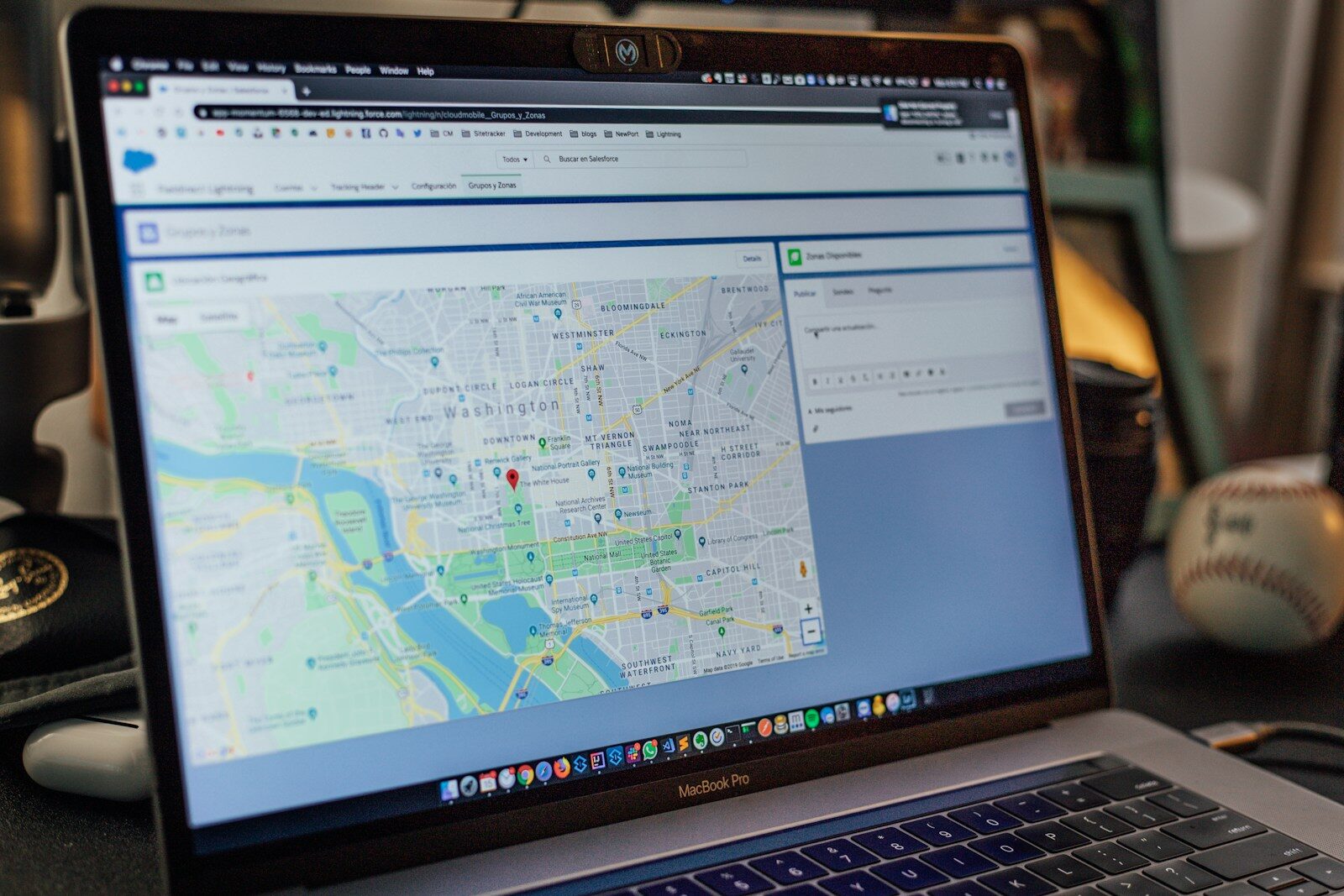
For local service businesses, the Google Map Pack is prime real estate. Contractors, therapists, dentists, restaurants, and law firms depend on showing up when someone searches within a few miles. Local SEO targets customers within a specific geographic area, improving your visibility in that map pack so the right people find you at the right moment — with your hours, reviews, and phone number ready for a quick call.
Local SEO also includes managing your online reviews and local citations, which are consistent mentions of your business name, address, and phone number across directories and listing sites. Both matter more than most business owners realize.
Notably, 58% of consumers now use AI tools for local business recommendations. That means your local SEO strategy can’t stop at Google alone. We’ll cover what that shift means for your business later in this guide.
Search Now Includes AI Answers
Search isn’t just the “ten blue links” anymore. Google AI Overviews, ChatGPT, Perplexity, and other AI tools now answer questions directly. That’s created a real search behavior shift. Traditional SEO still matters, but so do newer practices like answer engine optimization and generative engine optimization, which help your content get pulled into those AI-generated answers. Structuring your data and content to ensure visibility in AI-powered searches is now part of a complete SEO strategy.
SEO Is a Long-Term Strategy, Not a Quick Fix
Here’s the honest truth: SEO takes time. With a solid strategy, you can expect to see measurable results within 60 to 90 days — but building lasting authority and rankings takes longer. Anyone selling overnight results is selling something else. A well-executed SEO plan builds on itself month after month. The technical fixes, content, and local signals you add today keep paying off long after the work is done. Ranking organically builds long-term credibility and trust with your customers in a way that paid ads simply can’t replicate. That’s why you need a partner thinking in quarters and years, not days.
9 Questions to Ask Before Hiring an SEO Agency
These questions will help you separate real SEO services from smoke and mirrors. Pay attention to how agencies answer. Clear, specific responses are a good sign. Vague ones are a warning.
1. What Experience Do You Have With Small Business SEO?
Start by asking about past clients, the industries they’ve served, and the results they delivered. You want proof, not a polished pitch.
Look for an agency that understands small business SEO specifically. Working with local businesses and limited marketing budgets is very different from managing a Fortune 500 account. A small business needs every dollar to work hard. Your agency should know which tasks move the needle and which ones can wait. Small business SEO focuses on local visibility and targeted audiences — not vanity metrics that look good in a report but don’t translate to revenue.
Good follow-up questions include:
- Can you share case studies from businesses similar to mine?
- What results did you achieve, and how long did it take?
- Can I read your client reviews?
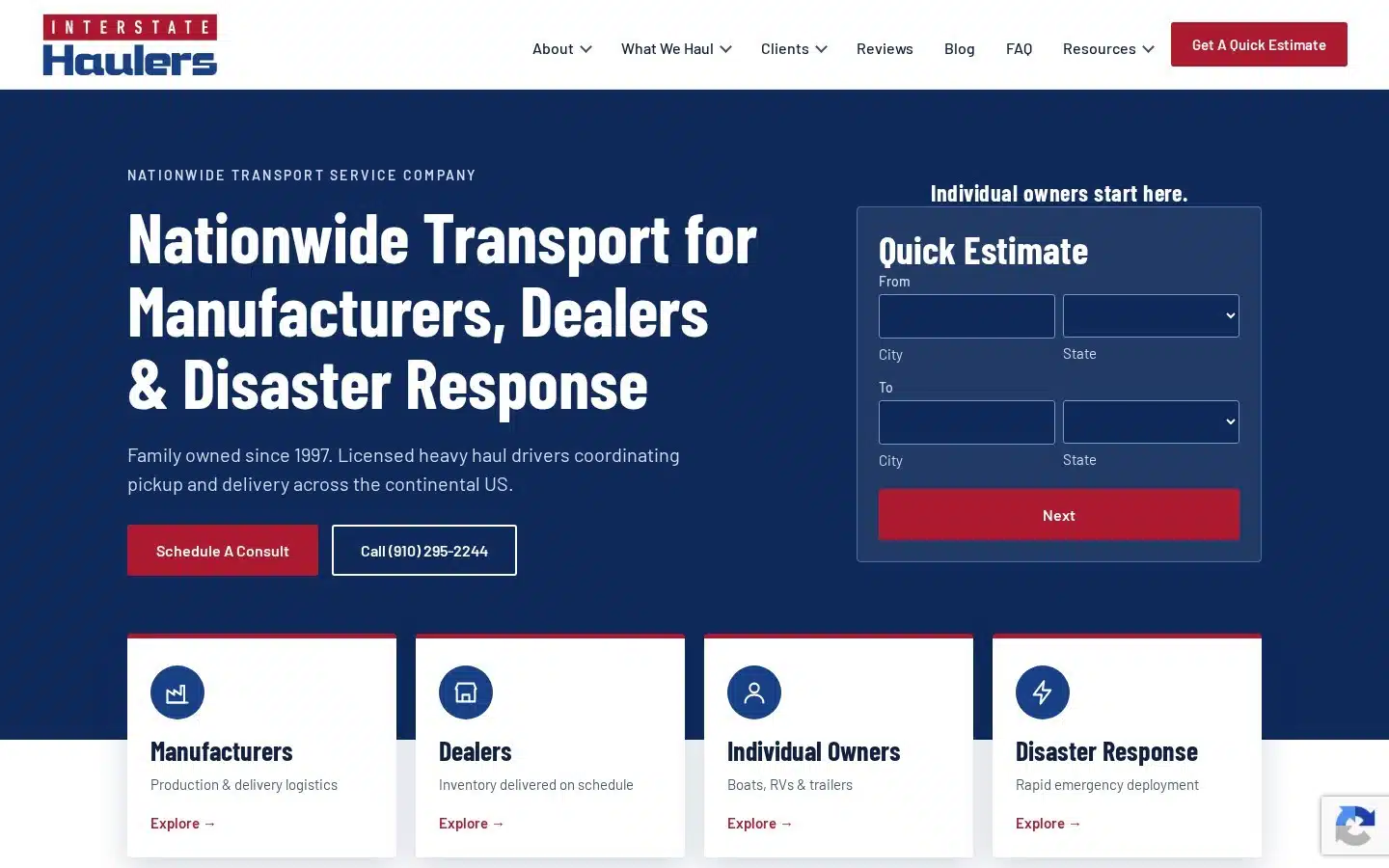
At WP Wizards, we hold a 5.0-star rating across 91 Google reviews. One of our clients, Interstate Haulers, started with a new website and followed up with a focused SEO campaign. In their words, we “significantly boosted [their] digital marketing presence.” We’re proud of that, and we’re happy to walk you through exactly what we did.
2. What SEO Strategies Will You Use?
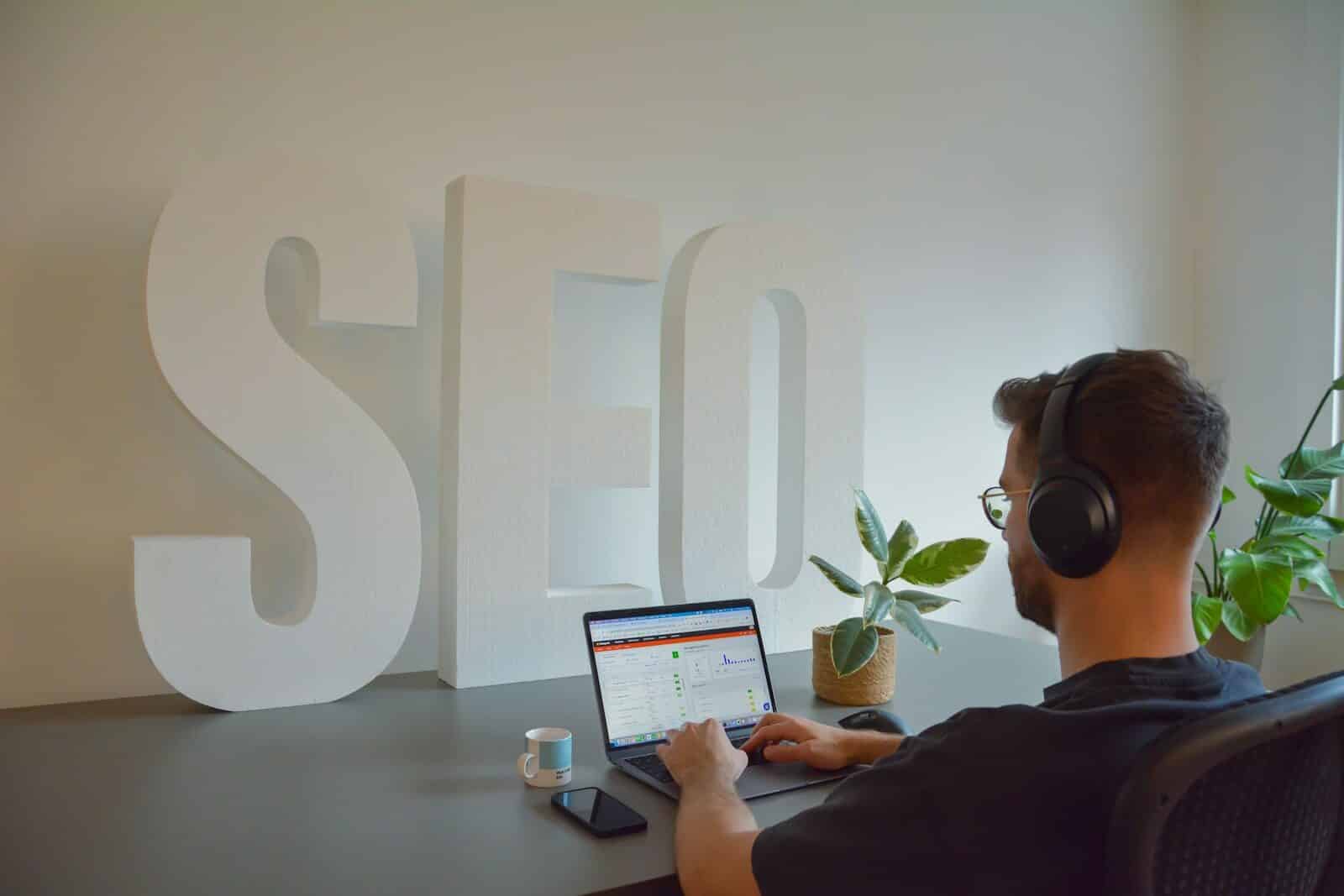
Photo by Lukas Müller on Unsplash
An agency should be able to explain its process in plain English. If the answer sounds like a word salad, keep asking until it doesn’t.
A well-rounded strategy for small businesses usually includes:
- Keyword research: Finding the actual words and phrases your customers type into search engines, including targeted long-tail keywords that help smaller businesses compete with larger brands.
- On page SEO: Optimizing titles, headings, content, and meta descriptions so search engines understand each page.
- Technical SEO: Making sure your site loads fast, works on mobile, and can be crawled and indexed properly.
- Content optimization: Improving existing pages and creating new ones that answer real customer questions. Quality content creation improves search visibility, drives user engagement, and helps attract and convert potential customers.
- Link building: Earning quality backlinks from reputable websites to enhance your site’s authority and search visibility.
Just as important: ask whether they’ll build a customized SEO plan. A one-size-fits-all package rarely fits anyone. A roofing company in Virginia and an online boutique selling nationwide need very different approaches. We always start with a discovery conversation and a look under the hood before we recommend anything. And because SEO is a cost-effective marketing strategy for small businesses with tight budgets, we focus every recommendation on high-impact work that drives local traffic and qualified leads.
3. Do You Offer Local SEO Services?
If you serve customers in a specific area, local SEO might be the most valuable work an agency can do for you. Make sure they offer it and can explain exactly how they approach it.
Local SEO is specifically designed to target customers within your geographic area. It improves your visibility in Google’s map pack, which is where most local service businesses win or lose new customers. Strong local SEO services typically include:
- Google Business Profile optimization: Google Business Profile optimization is crucial for local SEO success. A fully optimized profile helps you rank in local search and gives customers the information they need to contact you immediately.
- Local citations: Consistent mentions of your business name, address, and phone number across the web send trust signals to Google and help your rankings. Managing these citations is a core part of any local SEO strategy.
- Review management: Your online reviews directly influence your local rankings and your reputation. A good agency helps you earn more reviews and respond to them effectively.
- Google Maps presence: Showing up in the map pack for your target area puts your business in front of high-intent, nearby customers at the exact moment they’re ready to act.
Local SEO services typically average $500 to $650 per location. For most local service businesses, that investment pays for itself quickly when it’s executed well. At WP Wizards, we also keep a close eye on the fact that 58% of consumers now use AI tools for local business recommendations — so our local strategies account for both traditional search and emerging AI-driven discovery.
4. How Do You Approach Technical SEO?

Photo by Lazar Stankovic on Unsplash
Technical SEO is the foundation everything else is built on. If your site is slow, hard to crawl, or broken on mobile, even great content won’t rank the way it should.
A capable agency will conduct a technical SEO audit early in the engagement — these typically cost between $700 and $1,000 and are worth every dollar for the clarity they provide. The audit should cover:
- Site speed and Core Web Vitals: Google uses Core Web Vitals as a ranking factor. Improved website performance enhances user experience and reduces bounce rates, which signals quality to search engines.
- Mobile optimization: More searches happen on mobile than desktop. Your site needs to perform flawlessly on every screen size.
- Crawlability and indexing: Search engines need to be able to find and read your pages. Broken links, duplicate content, and poor site architecture all create obstacles.
- Site structure and internal links: A logical structure helps search engines understand how your pages relate to each other and which ones are most important.
- Schema markup: Adding structured data to your pages helps search engines — and AI tools — understand your content and display it more prominently in search results.
Technical SEO fixes can lead to measurable movement in local rankings within 60 to 90 days. It’s not glamorous work, but it’s often the fastest path to real results. At WP Wizards, our technical SEO support is handled by the same people who build our clients’ sites — so we’re not guessing at the code.
5. How Do You Build a Brand and Content Strategy?
SEO and brand-building aren’t separate. They reinforce each other. An agency that only thinks about keywords is missing half the picture.
Strong branding starts with understanding your audience and communicating consistently across every touchpoint. A useful framework here is the 3-7-27 rule of branding: it takes roughly 3 seconds to make a first impression, 7 interactions to build recognition, and 27 interactions to establish genuine trust. That means your content strategy isn’t just about ranking — it’s about showing up consistently enough that people remember you and believe in you.
Another helpful framework is the 5 C’s of branding: Clarity, Consistency, Content, Connection, and Credibility. When your SEO content is built around these principles — clear messaging, a consistent voice, genuinely helpful information, authentic connection with your audience, and demonstrated expertise — it does more than rank. It converts.
Content creation is a significant driver of search visibility and user engagement. At WP Wizards, we develop content that reflects your brand, targets the right keywords, and answers the specific questions your customers are asking. SEO content creation typically runs $160 to $220 per 1,000 words when done at a professional level, and 93% of clients report higher satisfaction with personalized SEO strategies over generic content approaches. We build content that earns traffic and builds authority over time.
6. Do You Provide On Page SEO and Off Page SEO?
Both on page SEO and off page SEO are essential. An agency that focuses on only one is leaving performance on the table.
On page SEO covers everything that happens directly on your website:
- Optimizing page titles, headings, and meta descriptions
- Structuring content for readability and relevance
- Improving page load speed and internal linking
- Aligning each page with specific, high-intent search queries
Off page SEO covers everything that happens outside your website:
- Strategic link building from reputable, relevant sites
- Local citations and directory listings
- Review management and reputation signals
- Social and brand mentions that build authority
Quality backlinks enhance your website’s authority and improve your search visibility — but only when they come from legitimate, relevant sources. Ask any agency you’re considering how they build links and which sites they target. Cheap or spammy link building can do more damage than no link building at all.
Together, on page and off page SEO improve your website authority, support higher rankings, and help you compete effectively — whether you’re targeting local search or national SEO.
7. How Do You Measure and Report SEO Results?
Photo by 1981 Digital on Unsplash
Transparent reporting is non-negotiable.You should always know what your agency is doing and what it’s producing.
Ask every agency you evaluate to walk you through their reporting process. Specifically, ask about:
- SEO tools: Which platforms do they use to track rankings, traffic, and technical health?
- Keyword rankings: Are they tracking the specific terms that matter to your business?
- Organic traffic: How much traffic is your site getting from search, and is it growing?
- Conversions: Are those visitors taking action — calling, submitting a form, making a purchase?
- Reporting frequency: Do you get monthly reports? Weekly updates? A dashboard you can check anytime?
SEO generates measurable data and insights on visitor behavior and keyword performance. A good agency doesn’t just hand you raw numbers — they explain what the numbers mean and what they’re doing about them. At WP Wizards, every client gets access to the Hub, our client portal where you can see completed work, review content, and track performance without chasing anyone for an update.
8. How Do You Approach Google Ads and Paid Advertising?
SEO and paid advertising are different tools, and a good agency should understand both.
Organic search builds long-term visibility — it takes time, but the results compound. Paid search through Google Ads drives immediate traffic — but only as long as you’re spending. For many small businesses, the smartest approach combines both: use Google Ads to generate leads now while your SEO builds momentum over the next several months.
If an agency offers Google Ads management, ask how they approach campaign targeting, ad copy, landing page optimization, and conversion rate optimization. Clicks that don’t convert are wasted money. The goal of paid advertising isn’t traffic — it’s qualified leads that turn into paying customers.
At WP Wizards, we set up tracking before we spend a dollar on ads. That way, we know what’s working from day one and can adjust quickly.
9. How Do Your SEO Packages Work, and What Does Pricing Include?
Pricing transparency is one of the clearest indicators of whether an agency is worth your trust. If they won’t give you a straight answer on cost, that tells you something.
Here’s a realistic look at what small business SEO services cost:
- Monthly SEO retainers: Most small business SEO programs run between $1,500 and $5,000 per month, depending on the scope of work, your market, and the level of competition.
- Hourly rates: 35% of SEO agencies charge between $100 and $149 per hour for à la carte work.
- Local SEO services: Expect to pay around $500 to $650 per location for focused local optimization.
- Technical SEO audits: A thorough audit typically costs between $700 and $1,000.
- Content creation: Professional SEO content averages $160 to $220 per 1,000 words.
Affordable SEO services don’t mean cheap SEO. Cheap SEO can be risky when deliverables are unclear and tactics are opaque. Always ask what’s included in a package, what the contract terms are, whether there are additional fees for content or technical work, and what ongoing technical SEO support looks like after the initial setup.
SEO packages should match your specific business needs — not a template someone built three years ago. At WP Wizards, we scope every engagement based on your goals, your market, and your budget. We tell you exactly what we’re doing and why, and we give you clear reporting so you can see the results yourself.
How to Recognize a Reliable Small Business SEO Company
There are a lot of SEO companies out there. Here’s how to tell the credible ones apart from the ones you should walk away from.
Red flags to watch for:
- Guaranteed rankings. No one can guarantee a specific position on Google. Any agency making that promise is either uninformed or dishonest.
- Overnight results. Expect measurable movement within 60 to 90 days with a good strategy — not in a week.
- Vague deliverables. If you can’t get a clear answer about what you’re paying for, keep looking.
- Cookie-cutter packages. Good SEO is customized. If every client gets the same plan, the plan isn’t built for your business.
What a reliable SEO service provider looks like:
- They share case studies and real client results.
- They explain their process in plain language.
- They set realistic timelines and communicate clearly when things change.
- They report on traffic, leads, and revenue — not just vanity metrics.
- They focus on long-term business growth, not short-term wins that fade.
A strong small business SEO company builds authority through consistent content creation, optimizes your user experience, and targets high-intent searches to bring in qualified leads — month after month.
How SEO Is Changing: AI Search Visibility and Generative Engine Optimization
The search landscape is shifting faster than most business owners realize, and the agencies worth hiring are already adapting.
Google AI Overviews now appear at the top of many search results, summarizing answers before the user ever clicks a link. ChatGPT, Perplexity, and other AI platforms are becoming research tools — and 58% of consumers are already using AI tools for local business recommendations. If your content isn’t structured to appear in these AI-generated answers, you’re missing an increasingly large share of potential customers.
This is where answer engine optimization and generative engine optimization come in. These practices focus on:
- Writing content that directly and clearly answers the questions your customers are asking
- Structuring data with schema markup so AI tools can understand and surface your business
- Building topical authority by covering subjects in depth, not just hitting keywords
- Maintaining consistent, accurate information across your website and local listings
Traditional SEO remains essential. But the businesses that will win over the next several years are the ones combining proven search fundamentals with smart strategies for AI-powered search visibility. At WP Wizards, we’re building both into every client’s SEO plan.
Why Choose WP Wizards for Small Business SEO Services?
I started WP Wizards because I was tired of seeing small business owners get burned by agencies that overpromised and underdelivered. The Marine Corps taught me that the mission matters, the people on your left and right matter, and results speak louder than anything else. That’s the culture we’ve built here.
Here’s what working with us looks like in practice:
- Customized SEO strategies: We don’t sell packages off a shelf. We learn your business, your market, and your goals — then build an SEO plan that fits.
- Local SEO expertise: From Google Business Profile optimization and local citations to review management and map pack visibility, we know what it takes to dominate local search.
- Technical SEO support: Our team handles site speed, Core Web Vitals, schema markup, internal linking, and everything else that keeps your site healthy and competitive.
- On-page optimization and content: We create content that ranks, educates, and converts — built around the keywords your customers actually use.
- AI and answer engine optimization: We structure your content and data to show up in AI-generated search results, not just traditional listings.
- Transparent pricing and reporting: You’ll always know what you’re paying for and what it’s producing. No surprises, no runaround.
- The Hub: Every WP Wizards client gets access to our client portal — one place to submit requests, review content, and see exactly what’s been done.
- A Veteran-owned team you can trust: Our team is based in Washington, DC and across the East Coast. No outsourcing. The people you talk to are the people doing the work.
We’re a one-stop digital marketing partner — web design, SEO, Google Ads, social media, and ongoing support all under one roof. And because we plan everything together, one service doesn’t quietly undermine another.

Photo by Cherrydeck on Unsplash
Find the Right SEO Agency for Your Business
The right SEO agency doesn’t just improve your rankings. It improves your business. It brings in customers who are actively searching for what you offer, builds your credibility over time, and gives you clear, honest reporting so you always know where you stand.
Asking the nine questions in this guide will help you cut through the noise and find a partner who’s serious about your growth — not just your monthly retainer check.
SEO is a long game, but it’s one of the most cost-effective investments a small business can make. With the right strategy, you can expect to see measurable results within 60 to 90 days, and meaningful, lasting growth over the months and years that follow.
If you’re ready to stop guessing and start growing, we’d love to have a conversation.
Frequently Asked Questions
What is the 3-7-27 rule of branding?
The 3-7-27 rule describes how trust is built over time. It takes about 3 seconds to make a first impression, 7 interactions for someone to recognize your brand, and 27 interactions to build genuine trust. For SEO, this means consistent content creation and a steady online presence aren’t optional — they’re how you build the kind of credibility that converts.
What are the 5 C’s of branding?
The 5 C’s of branding are Clarity, Consistency, Content, Connection, and Credibility. When your SEO content strategy is built around these principles, it does more than rank on Google — it builds a brand that people remember and return to.
How do you legally create a brand?
Legally establishing a brand involves registering your business name with your state, applying for a federal trademark through the USPTO to protect your brand name and logo, and securing your domain name and social media handles. It’s worth consulting a business attorney to make sure your brand is fully protected before you invest heavily in building it.
How do I create a brand for myself?
Start by defining what makes you different and who you serve. Choose a name, visual identity, and voice that reflect your values and resonate with your audience. Build a professional website, claim your Google Business Profile, and create consistent content across the platforms where your customers spend time. SEO plays a major role here — it ensures your brand gets found by the right people at the right moment.
How much should a small business spend on SEO?
Most small business SEO programs cost between $1,500 and $5,000 per month, depending on your market, goals, and the scope of work. Local SEO services average $500 to $650 per location. Technical SEO audits typically run $700 to $1,000. The right budget depends on your competitive landscape and growth goals — a good agency will help you figure out what makes sense for your situation.
How long does small business SEO take to produce results?
With a solid strategy in place, most businesses begin to see measurable results within 60 to 90 days. Technical fixes and local SEO improvements often move fastest. Building significant organic rankings and authority takes longer — typically six months to a year of consistent work. Anyone promising faster results should be questioned carefully.
Is local SEO worth it for small businesses?
Absolutely. Local SEO is one of the highest-ROI investments a local service business can make. It improves your visibility in Google’s map pack, helps you get found by customers who are ready to hire or buy, and builds lasting credibility in your market. With 58% of consumers using AI tools for local business recommendations, strong local SEO also prepares you for how search is evolving.
What should small business SEO packages include?
At minimum, a solid SEO package should include keyword research, on-page optimization, technical SEO support, local SEO (Google Business Profile optimization and citation management), content creation, link building, and transparent monthly reporting. Packages should be customized to your business — not templated. Always ask exactly what’s included, what’s excluded, and what the reporting process looks like before you sign anything.